Afélia (10 percussionists)
Overview
Afelia
IOANNIS (JOHN) PSATHAS
for 10 percussionists
Written at the invitation of the JuPercussion Group
and made possible with the generous support of Adrian Durham.
Duration 10:30
2026
Αφέλεια (afélia): Childlike naivety or simple-minded innocence
Program Note
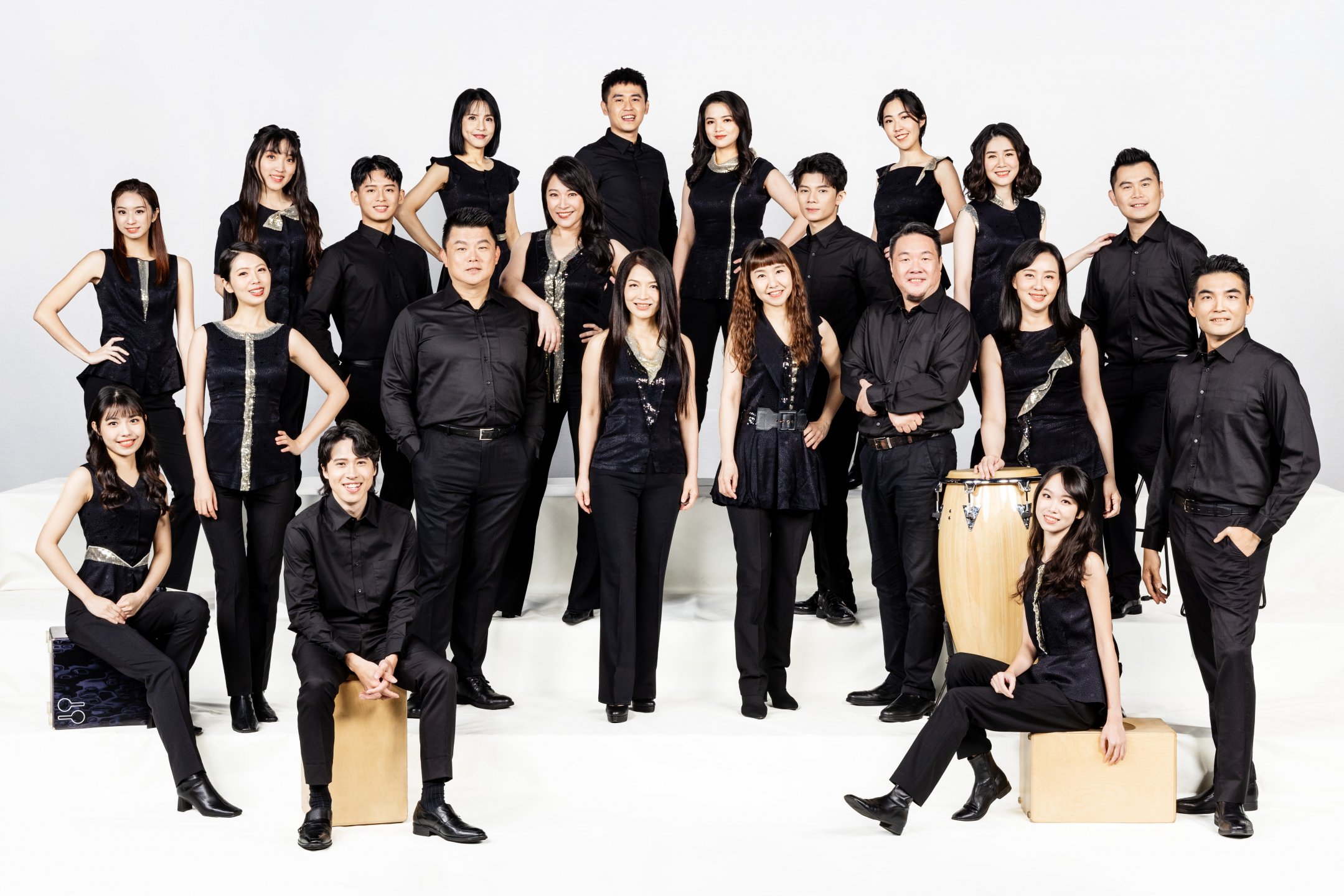
Afelia was commissioned in 2026 by the Ju PercussionGroup as the second in a series of five works. The first work ... before and after love ... was premiered by Ju Percussion in Taipei on the 9th of January 2026.
The sequence of five works is inspired by 5Rhythms, a movement meditation practice devised by Gabrielle Roth in the late 1970s. It draws from indigenous and world traditions using tenets of shamanistic, ecstatic, mystical and eastern philosophy.
This work is a response to the second of the 5Rhythms; Staccato.This state encompasses Childhood, Loving, the Heart, but also Anger.
It encourages us to direct our clear and focused energy outwards. In doing so, we open up, and are seen, but have also established clear boundaries. This rhythm orders our linear world and is where the warrior in us comes into their own, and professes what is important to them; whom and what they love.
This music has been made possible through the generous support of Adrian Durham
CompleteInstrument List
2 Vibraphones
2 Marimbas (5-octave)*
4 Guiros*
Hi-Hats - four sets 12’[w/pedal] / 13’/14’/15’ [no pedal]*
1 High Concert Tom*
3 China Crash Cymbals(mounted)*
3 Crash Cymbals (mounted)
1 Tambourine (mounted)*
2 Triangles (mounted)*
Metal Chimes/ Mark Trees(mounted)*
Glockenspiel*
2 pairs of Finger Cymbals(mounted)*
Tubular Bells (shared by P6& P10)*
Gong (low Bb)*
Temple Blocks (1 set of 5)*
Finger Snaps*
*Audio samples provided
Instrumentation by Player
Player 1: Vibraphone A (shared with P2), Guiro, Hi-Hats -four sets 12’ [w/pedal] / 13’/14’/15’ [no pedal],
Single High Concert Tom, China Cymbal (mounted), Tambourine (mounted), CrashCymbal (mounted),
Triangle, Metal Chimes/Mark Tree (shared with P6)
Player 2: Vibraphone A, (mallets and bow - shared withP1), Guiro, Finger Snaps
Player 3: Vibraphone B (mallets and bow)
Player 4: Marimba A, Finger Snaps
Player 5: Marimba B (shared with P10), Guiro
Player 6: Glockenspiel (mallets and bow), Guiro, Triangle,Metal Chimes/Mark Tree (shared with P1), Finger Cymbals (mounted), China Cymbal(mounted), Tubular Bells (shared with P10), Finger Snaps
Player 7: Kick Drum 1 (played horizontally with stick butts),Low Bb Gong (shared with P8), Finger Snaps
Player 8: Kick Drum 2 (played horizontally with stick butts), Low Bb Gong (shared with P7), Finger Snaps
Player 9: Kick Drum 3 (played horizontally with stick butts), China Cymbal (mounted), Crash Cymbal (mounted), Finger Snaps
Player 10: MarimbaB (shared with P5), Crash Cymbal (mounted), 5 Temple Blocks, Finger Cymbals, TubularBells (shared with P6), Finger Snaps
Performance Notes
· The performers are encouraged to listen carefully tothe audio samples and reproduce the gesture, sound, register, and intensity o fperformance as closely as possible.
Notes on Stage Layout
The attached diagram is a suggested stage setup. It is recommended the two marimbas are front of stage with the lower register of the instrument closest to the audience. And that the vibraphones are front of stage with the highest register of the instrument facing the audience.
Audio samples and further performance notes:
The audio samples are provided for the following reasons:
1. To give an accurate idea of the exact sound of certain instruments that the composer was imagining when composing the work.
2. To give an idea of the performance gestures (and resulting sounds) for certain instruments
3. To demonstrate the intensity with which the kick-toms are to be played, and the desired sound for each of the drums
· JUDDERINGSTACCATO (P4 & P5 MARIMBAS)
o 01 P4&P5 m2-22 Marimbas(a rapid and random bouncing of the mallets at a speed fast enough to resemble tremolo)
· HI-HATS Using both the transcribed score and these audio files, emulate the shape and sound of this passage as closely as possible.
o 02HH Phrase 1 104_106 Click
o 02HH Phrase 1 104-106 Hats
o 03HH Phrase 2 109_113 Click
o 03HH Phrase 2 109_113 Hats
o 04HH Phrase 3 120_122 click
o 04HH Phrase 3 120_122 Hats
o 05HH Phrase 3b 141_144 click
o 05HH Phrase 3b 141_144 Hats (same as Phrase 3 but starts in different position)
· GLOCKENSPIELTREMOLO
o 06P6 Glockenspiel 14_19 (for hearing the mallet type and density of sound)
· GUIROS
o 07 P5 24_26 Guiro Phrase Example
o 08 P1 20_23 Guiro Rhythm
· KICK DRUMS
o 09 P7_P8_P9 1_10 Three Kick DrumsCresc Rolls
o 10 P7_P8_P9 61-71 Three Kick Drums inRhythm
· FINGER CYMBALS
o 11 P10 125-127 Finger Cymbal
· TRIANGLE
o 12 P6 80_82 Triangle
· TEMPLE BLOCKS (mounted)
o 13P10 58_69 Temple Blocks
· LOWBb GONG
o 14P8 370_373 Gong
· HIGHCONCERT TOM
o 15P1167_189 High Concerto Tom
· METALCHIMES/MARK TREE
o 16P6 167-184 Metal Chimes (2 variations)
· CHINACRASH
o 17P1 197-200 China Crash Crescendo Roll
· TUBULARBELLS
o 18P6 94_119 Tubular Bells (for understanding beater type)
· TAMBOURINE(mounted)
o 19 P1 207_215 Tambourine (mounted)
Afélia – Performance Notes for Conductorand Players
The best guide for understanding the kind of performance I imagined when composing the work is to listen carefully to the composer demo. Creating this recording bar by bar is how I composed the work. The score came later. This recording is as important as the score when preparing the work for rehearsal and performance.
To assist in achieving the most accurate representation of my vision for the work, listen also to the audio samples provided for individual instruments and some of the playing techniques.
One example: the opening bars in Players 7,8, and 9. Hear how this is dynamically stronger and punchier than you might imagine by just looking at the score. This is rhythmic thunder that is strong enough to activate the reverberation in the hall. The crescendo is marked moltissimo. The tingling chords in Players1,4, and 5 will not be audible immediately on the downbeat of measure 2, they emerge from the fading reverberation of the 3 kick drums.
It’s important to get to know this composer demo well and understand the impact of each entry of new elements and how they help drive the piece. Also listen in order to understand the layering of the elements and what is important at any given moment. Dynamics only go so far in clarifying balance and layering. TheMIDI demo is a much more accurate representation of my conception of the piece than the score will ever be able to convey.
Arco notes on mallet instruments are to be bowed for the length of the written notes –using two bows if necessary. Arco notes are always l.v. and should not be cutoff too soon – their decay should fade into the surrounding texture.
At letter Athe woodblock in P1 will emerge from the decay of the rolled cymbal.
The tremolo glockenspiel should be a very fine and delicate sound, always quieter than the tremolo vibraphone and marimba. The tremolo glockenspiel should sound almost like distant sleigh bells.
The complex hi-hat phrases in P1 are a kind of ‘rogue’ element that is freer than the other parts around it. It is important that the performer is as close as possible to the rhythm and dynamics of the phrasing, while still retaining a feeling of freedom and improvisation.
While the tenuto marks are described as ‘a slight emphasis’ it is important to understand that they are mostly used to highlight a melody embedded within an ongoing motion. In a single drum the tenuto marks are intended to shape phrasing and bring out groove and variations on patterns. Failure to bring out these tenuto melodies will result in the music feeling flat and one-dimensional.
Accents arestronger than tenuto marks.
At letter F the outbursts in the Kick Drums and the Hi-Hat should be explosive and violent, but also rhythmically tight.
At letter G Player 2 and Player 10 are creating an effect similar to a delay pedal. For this to succeed it is crucial the dynamics are strictly adhered to. It is important to listen to the recording to understand the musical effect being created here. A sectional rehearsal just for this purpose is recommended.
For the metal chimes in P6 and elsewhere, listen to the demo and the individual sample provided, and recreate what is heard.
The finger clicks should be as strong as possible.
It is important that markings like “very gradual diminuendo….” and “dim.poco a poco” do not immediately trigger a drop in intensity or volume. We should not be aware of the dim. immediately, but gradually……
Throughout the changes in all sections of the work, it is important that momentum and forward drive are never diminished.
October 28th, 2026 – Wellington, NewZealand

Commissioned by Ju Percussion Group